
Infertility
Infertility
Factors relating to male infertility include:[6]
Pre-testicular causes[edit]
Pre-testicular factors refer to conditions that impede adequate support of the testes and include situations of poor hormonal support and poor general health including:
- Hypogonadotropic hypogonadism due to various causes
- Obesity increases the risk of hypogonadotropic hypogonadism.[7] Animal models indicate that obesity causes leptin insensitivity in the hypothalamus, leading to decreased Kiss1 expression, which, in turn, alters the release of gonadotropin-releasing hormone (GnRH).[7]
- Undiagnosed and untreated coeliac disease (CD). Coeliac men may have reversible infertility. Nevertheless, CD can present with several non-gastrointestinal symptoms that can involve nearly any organ system, even in the absence of gastrointestinal symptoms. Thus, the diagnosis may be missed, leading to a risk of long-term complications.[8] In men, CD can reduce semen quality and cause immature secondary sex characteristics, hypogonadism and hyperprolactinaemia, which causes impotence and loss of libido.[9]The giving of gluten free diet and correction of deficient dietary elements can lead to a return of fertility.[8][9] It is likely that an effective evaluation for infertility would best include assessment for underlying celiac disease, both in men and women.[10]
- Drugs, alcohol
- Strenuous riding (bicycle riding,[11] horseback riding)
- Medications, including those that affect spermatogenesis such as chemotherapy, anabolic steroids, cimetidine, spironolactone; those that decrease FSH levels such as phenytoin; those that decrease sperm motility such as sulfasalazine and nitrofurantoin
- Genetic abnormalities such as a Robertsonian translocation
- Obesity increases the risk of hypogonadotropic hypogonadism.[7] Animal models indicate that obesity causes leptin insensitivity in the hypothalamus, leading to decreased Kiss1 expression, which, in turn, alters the release of gonadotropin-releasing hormone (GnRH).[7]
Tobacco smoking[edit]
See also: Smoking and pregnancy
There is increasing evidence that the harmful products of tobacco smoking may damage the testicles[12] and kill sperm,[13][14] but their effect on male fertility is not clear.[15] Some governments require manufacturers to put warnings on packets. Smoking tobacco increases intake of cadmium, because the tobacco plant absorbs the metal. Cadmium, being chemically similar to zinc, may replace zinc in the DNA polymerase, which plays a critical role in sperm production. Zinc replaced by cadmium in DNA polymerase can be particularly damaging to the testes.[16]
DNA damage[edit]
Common inherited variants in genes that encode enzymes employed in DNA mismatch repair are associated with increased risk of sperm DNA damage and male infertility.[17] As men age there is a consistent decline in semen quality, and this decline appears to be due to DNA damage.[18] (Silva et al., 2012). These findings suggest that DNA damage is an important factor in male infertility.
Epigenetic[edit]
See also: DNA methylation
An increasing amount of recent evidence has been recorded documenting abnormal sperm DNA methylation in association with abnormal semen parameters and male infertility.[19][20]
Testicular factors[edit]
Testicular factors refer to conditions where the testes produce sperm of low quantity and/or poor quality despite adequate hormonal support and include:
- Varicocele, that is present in 15% of normal men and in about 40% of infertile men. It probably causes up to 35% of primary infertility and 69-81% of secondary infertility.[21]
- Age (see also: Paternal age effect)
- Genetic defects on the Y chromosome
- Abnormal set of chromosomes
- Centriole[22]
- Neoplasm, e.g. seminoma
- Idiopathic failure
- Cryptorchidism
- Trauma
- Hydrocele
- Mumps[23]
- Malaria
- Testicular cancer
- Defects in USP26 in some cases[24]
- Acrosomal defects affecting egg penetration
- Idiopathic oligospermia - unexplained sperm deficiencies account for 30% of male infertility.[25]
Radiation therapy to a testis decreases its function, but infertility can efficiently be avoided by avoiding radiation to both testes.[26]
Post-testicular causes[edit]
Post-testicular factors decrease male fertility due to conditions that affect the male genital system after testicular sperm production and include defects of the genital tract as well as problems in ejaculation:
- Vas deferens obstruction
- Lack of Vas deferens, often related to genetic markers for Cystic Fibrosis
- Infection, e.g. prostatitis
- Retrograde ejaculation
- Ejaculatory duct obstruction
- Hypospadias
- Impotence
Causes and factors[edit]
Causes or factors of female infertility can basically be classified regarding whether they are acquired or genetic, or strictly by location.
Although factors of female infertility can be classified as either acquired or genetic, female infertility is usually more or less a combination of nature and nurture. Also, the presence of any single risk factor of female infertility (such as smoking, mentioned further below) does not necessarily cause infertility, and even if a woman is definitely infertile, the infertility cannot definitely be blamed on any single risk factor even if the risk factor is (or has been) present.
Acquired[edit]
According to the American Society for Reproductive Medicine (ASRM), Age, Smoking, Sexually Transmitted Infections, and Being Overweight or Underweight can all affect fertility.[7]
In broad sense, acquired factors practically include any factor that is not based on a genetic mutation, including any intrauterine exposure to toxins during fetal development, which may present as infertility many years later as an adult.
Age[edit]

Main article: Age and female fertility
A woman's fertility is affected by her age. The average age of a girl's first period (menarche) is 12-13 (12.5 years in the United States,[9] 12.72 in Canada,[10] 12.9 in the UK[11]), but, in postmenarchal girls, about 80% of the cycles are anovulatory in the first year after menarche, 50% in the third and 10% in the sixth year.[12] A woman's fertility peaks in the early and mid 20s, after which it starts to decline, with this decline being accelerated after age 35. However, the exact estimates of the chances of a woman to conceive after a certain age are not clear, with research giving differing results. The chances of a couple to successfully conceive at an advanced age depend on many factors, including the general health of a woman and the fertility of the male partner.
Tobacco smoking[edit]
Tobacco smoking is harmful to the ovaries, and the degree of damage is dependent upon the amount and length of time a woman smokes or is exposed to a smoke-filled environment. Nicotine and other harmful chemicals in cigarettes interfere with the body’s ability to create estrogen, a hormone that regulates folliculogenesis and ovulation. Also, cigarette smoking interferes with folliculogenesis, embryo transport, endometrial receptivity, endometrial angiogenesis, uterine blood flow and the uterine myometrium.[13] Some damage is irreversible, but stopping smoking can prevent further damage.[14][15]Smokers are 60% more likely to be infertile than non-smokers.[16] Smoking reduces the chances of IVF producing a live birth by 34% and increases the risk of an IVF pregnancy miscarrying by 30%.[16] Also, female smokers have an earlier onset of menopause by approximately 1–4 years.[17]
Sexually transmitted infections[edit]
Sexually transmitted infections are a leading cause of infertility. They often display few, if any visible symptoms, with the risk of failing to seek proper treatment in time to prevent decreased fertility.[14]
Body weight and eating disorders[edit]
Twelve percent of all infertility cases are a result of a woman either being underweight or overweight. Fat cells produce estrogen,[18] in addition to the primary sex organs. Too much body fat causes production of too much estrogen and the body begins to react as if it is on birth control, limiting the odds of getting pregnant.[14] Too little body fat causes insufficient production of estrogen and disruption of the menstrual cycle.[14] Both under and overweight women have irregular cycles in which ovulation does not occur or is inadequate.[14] Proper nutrition in early life is also a major factor for later fertility.[19]
A study in the US indicated that approximately 20% of infertile women had a past or current eating disorder, which is five times higher than the general lifetime prevalence rate.[20]
A review from 2010 concluded that overweight and obese subfertile women have a reduced probability of successful fertility treatment and their pregnancies are associated with more complications and higher costs.[21] In hypothetical groups of 1000 women undergoing fertility care, the study counted approximately 800 live births for normal weight and 690 live births for overweight and obese anovulatory women. For ovulatory women, the study counted approximately 700 live births for normal weight, 550 live births for overweight and 530 live births for obese women. The increase in cost per live birth in anovulatory overweight and obese women were, respectively, 54 and 100% higher than their normal weight counterparts, for ovulatory women they were 44 and 70% higher, respectively.[22]
Chemotherapy[edit]
Chemotherapy poses a high risk of infertility. Chemotherapies with high risk of infertility include procarbazine and other alkylating drugs such as cyclophosphamide, ifosfamide, busulfan, melphalan, chlorambucil and chlormethine.[23] Drugs with medium risk include doxorubicin and platinum analogs such as cisplatin and carboplatin.[23] On the other hand, therapies with low risk of gonadotoxicity include plant derivatives such as vincristine and vinblastine, antibiotics such as bleomycin and dactinomycin and antimetabolites such as methotrexate, mercaptopurine and 5-fluorouracil.[23]
Female infertility by chemotherapy appears to be secondary to premature ovarian failure by loss of primordial follicles.[24] This loss is not necessarily a direct effect of the chemotherapeutic agents, but could be due to an increased rate of growth initiation to replace damaged developing follicles.[24] Antral follicle count decreases after three series of chemotherapy, whereas follicle stimulating hormone (FSH) reaches menopausal levels after four series.[25] Other hormonal changes in chemotherapy include decrease in inhibin B and anti-Müllerian hormone levels.[25]
Women may choose between several methods of fertility preservation prior to chemotherapy, including cryopreservation of ovarian tissue, oocytes or embryos.[26]
Other acquired factors[edit]
- Adhesions secondary to surgery in the peritoneal cavity is the leading cause of acquired infertility.[27] A meta-analysis in 2012 came to the conclusion that there is only little evidence for the surgical principle that using less invasive techniques, introducing less foreign bodies or causing less ischemia reduces the extent and severity of adhesions.[27]
- Diabetes mellitus. A review of type 1 diabetes came to the result that, despite modern treatment, women with diabetes are at increased risk of female infertility, such as reflected by delayed puberty and menarche, menstrual irregularities (especially oligomenorrhoea), mild hyperandrogenism, polycystic ovarian syndrome, fewer live born children and possibly earlier menopause.[28] Animal models indicate that abnormalities on the molecular level caused by diabetes include defective leptin, insulin and kisspeptin signalling.[28]
- Coeliac disease. Non-gastrointestinal symptoms of coeliac disease may include disorders of fertility, such as delayed menarche, amenorrea, infertility or early menopause; and pregnancy complications, such as intrauterine growth restriction (IUGR), small for gestational age (SGA) babies, recurrent abortions, preterm deliveries or low birth weight (LBW) babies. Nevertheless, gluten-free diet reduces the risk. Some authors suggest that physicians should investigate the presence of undiagnosed coeliac disease in women with unexplained infertility, recurrent miscarriage or IUGR.[29][30]
- Significant liver or kidney disease
- Thrombophilia[31][32]
- Cannabis smoking, such as of marijuana causes disturbances in the endocannabinoid system, potentially causing infertility[33]
- Radiation, such as in radiation therapy. The radiation dose to the ovaries that generally causes permanent female infertility is 20.3 Gy at birth, 18.4 Gy at 10 years, 16.5 Gy at 20 years and 14.3 Gy at 30 years.[34] After total body irradiation, recovery of gonadal function occurs in 10−14% of cases, and the number of pregnancies observed after hematopoietic stem cell transplantation involving such as procedure is lower than 2%.[35][36]
Genetic factors[edit]
There are many genes wherein mutation causes female infertility, as shown in table below. Also, there are additional conditions involving female infertility which are believed to be genetic but where no single gene has been found to be responsible, notably Mayer-Rokitansky-Küstner-Hauser Syndrome (MRKH).[37] Finally, an unknown number of genetic mutations cause a state of subfertility, which in addition to other factors such as environmental ones may manifest as frank infertility.
Chromosomal abnormalities causing female infertility include Turner syndrome. Oocyte donation is an alternative for patients with Turner syndrome.[38]
Some of these gene or chromosome abnormalities cause intersexed conditions, such as androgen insensitivity syndrome.
| Gene | Encoded protein | Effect of deficiency | |
|---|---|---|---|
| BMP15 | Bone morphogenetic protein 15 | Hypergonadotrophic ovarian failure (POF4) | |
| BMPR1B | Bone morphogenetic protein receptor 1B | Ovarian dysfunction, hypergonadotrophic hypogonadism and acromesomelic chondrodysplasia | |
| CBX2; M33 | Chromobox protein homolog 2 ; Drosophila polycomb class |
Autosomal 46,XY, male-to-female sex reversal (phenotypically perfect females)
| |
| CHD7 | Chromodomain-helicase-DNA-binding protein 7 | CHARGE syndrome and Kallmann syndrome (KAL5) | |
| DIAPH2 | Diaphanous homolog 2 | Hypergonadotrophic, premature ovarian failure (POF2A) | |
| FGF8 | Fibroblast growth factor 8 | Normosmic hypogonadotrophic hypogonadism and Kallmann syndrome (KAL6) | |
| FGFR1 | Fibroblast growth factor receptor 1 | Kallmann syndrome (KAL2) | |
| HFM1 | Primary ovarian failure[40] | ||
| FSHR | FSH receptor | Hypergonadotrophic hypogonadism and ovarian hyperstimulation syndrome | |
| FSHB | Follitropin subunit beta | Deficiency of follicle-stimulating hormone, primary amenorrhoea and infertility | |
| FOXL2 | Forkhead box L2 | Isolated premature ovarian failure (POF3) associated with BPES type I; FOXL2
402C --> G mutations associated with human granulosa cell tumours
| |
| FMR1 | Fragile X mental retardation | Premature ovarian failure (POF1) associated with premutations | |
| GNRH1 | Gonadotropin releasing hormone | Normosmic hypogonadotrophic hypogonadism | |
| GNRHR | GnRH receptor | Hypogonadotrophic hypogonadism | |
| KAL1 | Kallmann syndrome | Hypogonadotrophic hypogonadism and insomnia, X-linked Kallmann syndrome (KAL1) | |
| KISS1R ; GPR54 | KISS1 receptor | Hypogonadotrophic hypogonadism | |
| LHB | Luteinizing hormone beta polypeptide | Hypogonadism and pseudohermaphroditism | |
| LHCGR | LH/choriogonadotrophin receptor | Hypergonadotrophic hypogonadism (luteinizing hormone resistance) | |
| DAX1 | Dosage-sensitive sex reversal, adrenal hypoplasia critical region, on chromosome X, gene 1 | X-linked congenital adrenal hypoplasia with hypogonadotrophic hypogonadism; dosage-sensitive male-to-female sex reversal | |
| NR5A1; SF1 | Steroidogenic factor 1 | 46,XY male-to-female sex reversal and streak gonads and congenital lipoid adrenal hyperplasia; 46,XX gonadal dysgenesis and 46,XX primary ovarian insufficiency | |
| POF1B | Premature ovarian failure 1B | Hypergonadotrophic, primary amenorrhea (POF2B) | |
| PROK2 | Prokineticin | Normosmic hypogonadotrophic hypogonadism and Kallmann syndrome (KAL4) | |
| PROKR2 | Prokineticin receptor 2 | Kallmann syndrome (KAL3) | |
| RSPO1 | R-spondin family, member 1 | 46,XX, female-to-male sex reversal (individuals contain testes) | |
| SRY | Sex-determining region Y | Mutations lead to 46,XY females; translocations lead to 46,XX males | |
| SOX9 | SRY-related HMB-box gene 9 | Autosomal 46,XY male-to-female sex reversal (campomelic dysplasia) | |
| STAG3 | Stromal antigen 3 | Premature ovarian failure[41] | |
| TAC3 | Tachykinin 3 | Normosmic hypogonadotrophic hypogonadism | |
| TACR3 | Tachykinin receptor 3 | Normosmic hypogonadotrophic hypogonadism | |
| ZP1 | zona pellucida glycoprotein 1 | Dysfunctional zona pellucida formation[42] |
By location[edit]
Hypothalamic-pituitary factors[edit]
Ovarian factors
- Chemotherapy (as detailed previously) with certain agents have a high risk of toxicity on the ovaries.
- Many genetic defects (as also detailed previously) also disturb ovarian function.
- Polycystic ovary syndrome (also see infertility in polycystic ovary syndrome)
- Anovulation. Female infertility caused by anovulation is called "anovulatory infertility", as opposed to "ovulatory infertility" in which ovulation is present.[44]
- Diminished ovarian reserve, also see Poor Ovarian Reserve
- Premature menopause
- Menopause
- Luteal dysfunction[45]
- Gonadal dysgenesis (Turner syndrome)
- Ovarian cancer
Tubal (ectopic)/peritoneal factors
Further information: Tubal factor infertility
- Endometriosis (also see endometriosis and infertility)
- Pelvic adhesions
- Pelvic inflammatory disease (PID, usually due to chlamydia)[46]
- Tubal occlusion[47]
- Tubal dysfunction
- Previous ectopic pregnancy. A randomized study in 2013 came to the result that the rates of intrauterine pregnancy 2 years after treatment of ectopic pregnancy are approximately 64% with radical surgery, 67% with medication, and 70% with conservative surgery.[48] In comparison, the cumulative pregnancy rate of women under 40 years of age in the general population over 2 years is over 90%.[2]
Uterine factors[edit]
- Uterine malformations[49]
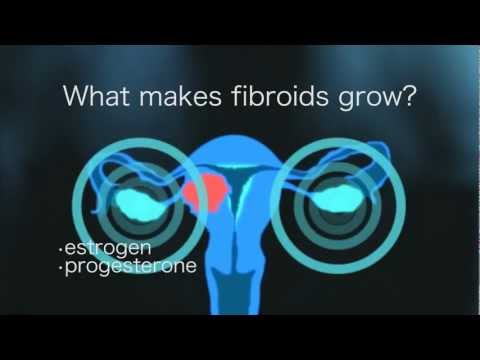
- Uterine fibroids
- Asherman's Syndrome[50]
- Implantation failure without any known primary cause. It results in negative pregnancy test despite having performed e.g. embryo transfer.
Previously, a bicornuate uterus was thought to be associated with infertility,[51] but recent studies have not confirmed such an association.[52]
Cervical factors[edit]
- Cervical stenosis[53]
- Antisperm antibodies[54]
- Non-receptive cervical mucus[55]
Vaginal factors[edit]
- Vaginismus
- Vaginal obstruction
الاشتراك في:
الرسائل (Atom)
Fibroid Tumors
Fibroid Tumors Uterine fibroids are noncancerous growths of the uterus that often appear during childbearing years. Also called l...
-
Infertility Factors relating to male infertility include: [6] Pre-testicular causes [ edit ] Pre-testicular factors refer...

